
Buyer's guide
How to buy a hoverboard or e-scooter in the UK
The law comes first: a private e-scooter or hoverboard is not legal on public roads or pavements. Here is what GOV.UK, OPSS and the London Fire Brigade say, with official iHoverboard photographs and videos where the feed provides them.
By the SimSift editorial team ·
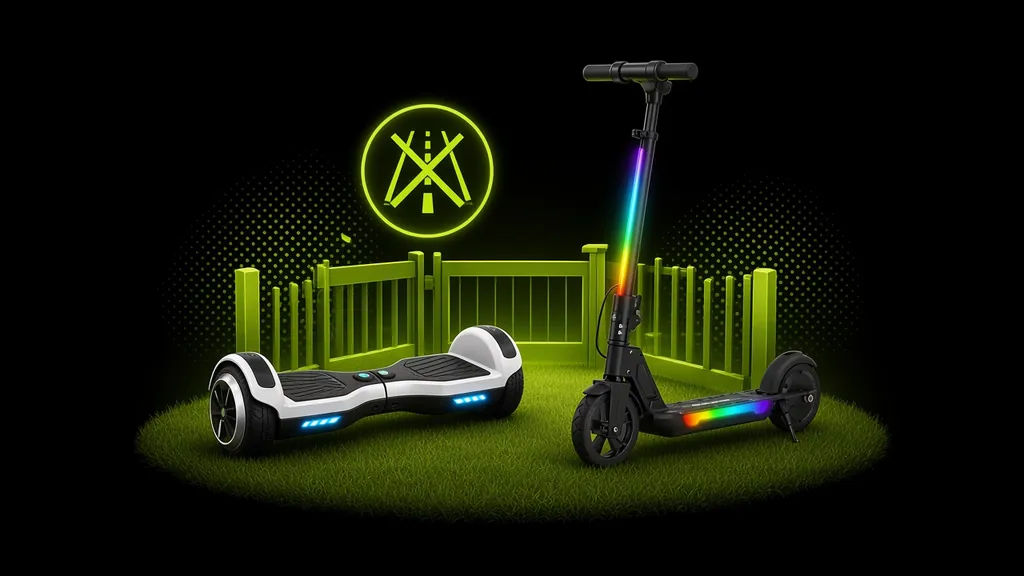
Short answer: You can buy a hoverboard or a privately owned e-scooter in the UK, but you cannot legally ride either on public roads, pavements, parks or cycle lanes. Use them only on private land with the landowner's permission. Official rental e-scooters in trial areas are a different product, with a licence requirement and their own rules. An electric bike that meets the EAPC rules can be ridden by someone aged 14 or over wherever pedal cycles are allowed, but not on the pavement.
#Ad. Links marked Ad are affiliate links: SimSift may earn commission if you buy, at no extra cost to you. It never changes what we recommend. How we make money.
UK law, in brief. It is illegal to ride a privately owned e-scooter in public — including on pavements, roads and in parks. You could be fined, given penalty points, and the scooter could be seized. You may only ride a privately owned e-scooter on private land with the landowner's permission (GOV.UK: Riding an electric scooter: the rules, checked 16 November 2026). Official rental e-scooters in government trial areas are a separate exception, with their own rules (Department for Transport guidance, last updated 7 July 2026, checked 16 November 2026). Hoverboards, Segways and similar powered transporters are also for private land with the landowner's permission — not public roads, pavements or cycle lanes (GOV.UK: Powered transporters, updated 13 July 2020, checked 16 November 2026).
Refurbished phone prices are from Back Market's official product feed, checked . Other refurbished prices (tablets, watches, consoles and laptops) are from the same Back Market feed, checked . SIM-only prices were checked on each provider's own site or official feed on . iHoverboard prices are from its official Awin product feed, checked . Prices change often: the price on the seller's site is the one you pay.
The law in more detail
GOV.UK's page Riding an electric scooter: the rules (checked 16 November 2026) is unambiguous: it is illegal to ride a privately owned e-scooter in public, for example on pavements, on roads or in parks. You could be fined and get penalty points on your driving licence, and the scooter could be seized. You can only ride a privately owned e-scooter on private land with the permission of the landowner. Mobility scooters have different rules.
The only public-road exception is an official rental scheme, also called an e-scooter trial. DfT guidance for users (last updated 7 July 2026, checked 16 November 2026) says you may use a rental e-scooter on the road (except motorways) and in cycle lanes in an official trial area, and you must not use it on the pavement. You need a provisional or full UK licence with category Q, the operator provides third-party motor insurance, the maximum speed is 15.5mph (some areas set a lower limit), and helmets are recommended but not a legal requirement. Trial areas listed on that page on our check included, among others, parts of London, the West Midlands, Greater Manchester (Salford), the West of England Combined Authority, and several other English local areas. The list can change — check the GOV.UK page for the current areas.
Hoverboards sit in the same legal family as other "powered transporters". GOV.UK's powered transporters information sheet (updated 13 July 2020, checked 16 November 2026) includes e-scooters, Segways, hoverboards, go-peds, powered unicycles and u-wheels. It says they fall within the legal definition of a motor vehicle. It is illegal to use one on a public road without meeting motor-vehicle requirements that most of these devices cannot meet, and illegal to use one in spaces set aside for pedestrians, cyclists and horse-riders, including pavements and cycle lanes. It is legal to use one on private land with the permission of the landowner. The same sheet notes that it is not illegal to sell powered transporters, but responsible vendors will give customers accurate information about the legal restrictions on their use. That is why this page leads with the law.
Electrically assisted pedal cycles are not powered transporters. They have their own rules, summarised in Riding an electric bike: the rules (checked 16 November 2026): pedals that can propel the bike, a motor of no more than 250 watts continuous rated power, and the motor must not propel the bike at more than 15.5mph.
Age and who can ride what
- Official rental e-scooters: you must have a provisional or full UK driving licence with a category Q entitlement. You can drive a category Q vehicle if your licence permits category AM, A or B. A full licence from some other countries may be accepted for a limited period. An overseas provisional licence is not enough (DfT: Using a rental e-scooter, last updated 7 July 2026).
- Electrically assisted pedal cycles (EAPCs): you can ride one if you are 14 or over, provided the bike meets the EAPC rules. You do not need a licence, and it does not need to be registered, taxed or insured (GOV.UK: Riding an electric bike: the rules, checked 16 November 2026).
- Hoverboards and privately owned e-scooters: GOV.UK does not set a separate minimum age for these. They may only be used on private land with the landowner's permission. Follow the manufacturer's age, weight and helmet guidance, and do not treat a manufacturer's age rating as permission to ride on public roads or pavements.
If an electric bike is not an EAPC — for example if the motor can propel it at more than 15.5mph, or its continuous rated power is higher than 250 watts, or it has no pedals that can propel it — GOV.UK classes it as a motorcycle or moped. That means a licence, registration, tax, insurance and a motorcycle helmet, and you cannot ride it on cycle tracks or cycle lanes (GOV.UK electric bike rules, checked 16 November 2026).
Safety: markings, batteries and charging
The Office for Product Safety and Standards (OPSS) says products sold to UK consumers must meet UK safety laws. Look for a UKCA or CE mark on e-bikes and e-scooters, as required by UK product safety regulations. Buy from trusted sellers, and be wary of unusually low prices, missing markings, poor packaging or missing manufacturer details — though markings themselves can be counterfeit (OPSS: Buy Safe, Be Safe, last updated 11 November 2026; London Fire Brigade: Buying safe e-bikes, batteries and chargers, checked 16 November 2026).
Lithium-ion battery fires can start without warning and are hard to extinguish. OPSS says you should never try to put one out yourself: leave the area and call 999. To cut the risk, OPSS and the London Fire Brigade both say:
- Use only the charger supplied with the battery, or one recommended by the manufacturer. Unplug it once charging has finished.
- Charge on a hard, flat surface, somewhere that does not block a fire escape or exit, and do not cover the charger or battery.
- Charge only while you are awake and present — not while you are asleep or away from home.
- Let a battery cool after use before charging it. Do not charge a damaged battery, and stop using a charger or battery that overheats, deforms, hisses, smells, smokes or performs poorly.
- Fit a smoke alarm in the area where you charge, and have an escape plan.
Sources: OPSS Buy Safe, Be Safe (last updated 11 November 2026) and London Fire Brigade: How to charge e-bikes and e-scooters safely (checked 16 November 2026). Follow the manufacturer's instructions as well.
What to look for before you buy
Once you are clear about where the device can legally be used, check:
- A UKCA or CE mark, the manufacturer's name, and a charger that is supplied or specified for that battery.
- The manufacturer's age, weight and helmet guidance, and whether the model is aimed at private land, off-road use, or (for bikes) EAPC use on the road.
- For e-bikes, the EAPC markings: continuous rated power, manufacturer, and either battery voltage or the maximum assisted speed. If it is a "twist and go" that can be propelled up to 15.5mph without pedalling, GOV.UK says it must be approved and marked with an approval number.
- Warranty, returns and a UK-based seller you can actually contact. Online purchases are also covered by the Consumer Rights Act 2015 and the usual 14-day cancellation right for distance sales.
iHoverboard hoverboards, e-scooters and e-bikes
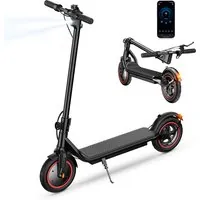
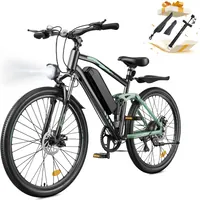
iHoverboard (Awin programme 35810) sells hoverboards, electric scooters and e-bikes. On our latest feed check we counted 89 in-stock products with a price and a photo, from £87.99 to £1,298.99. The cards below are a short, labelled shortlist rather than the full catalogue.
Browse the full in-stock lists: all hoverboards and all e-scooters.
Hoverboards
E-scooters
E-bikes
Official iHoverboard videos
These are official product videos from iHoverboard's own YouTube channel. A privately owned e-scooter remains illegal to ride on UK roads, pavements and in parks, even if a video shows it being ridden outdoors.
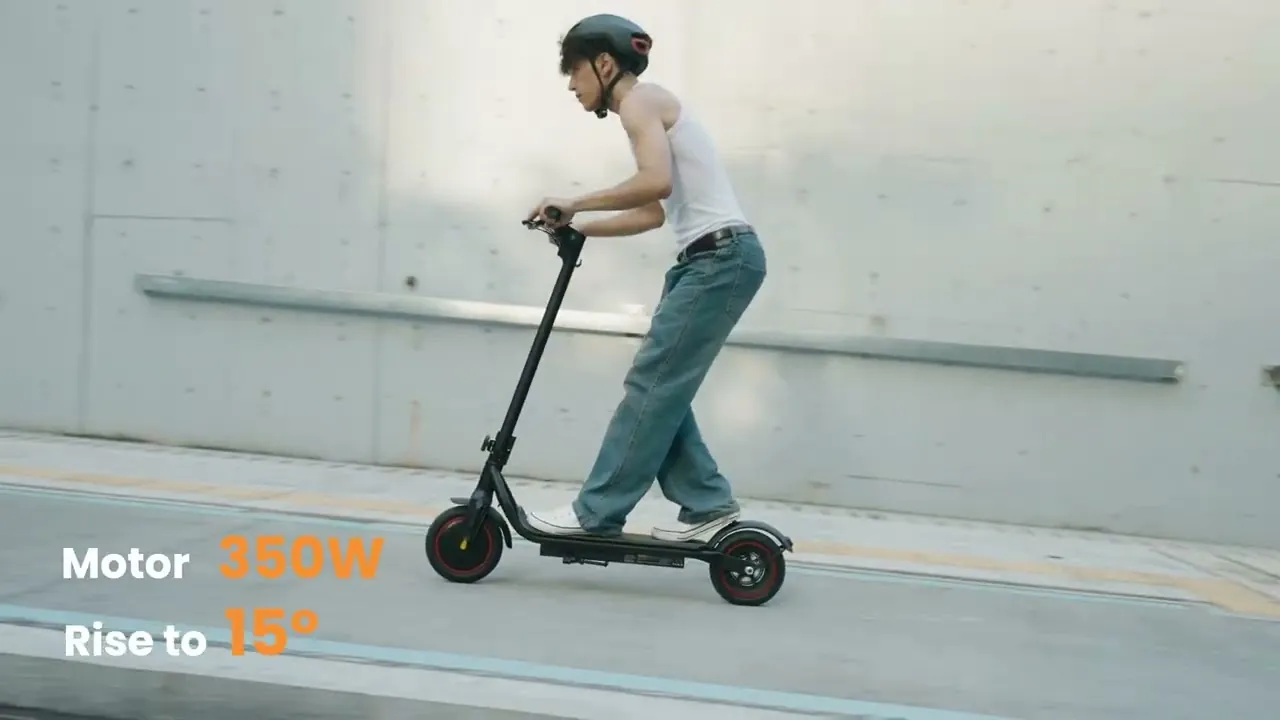

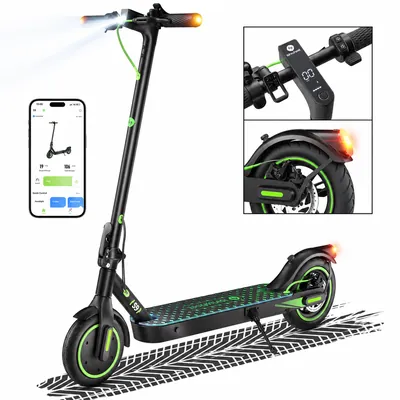
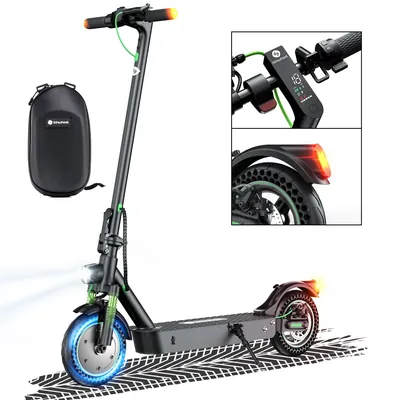
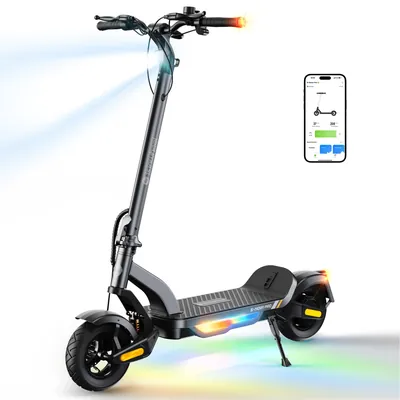
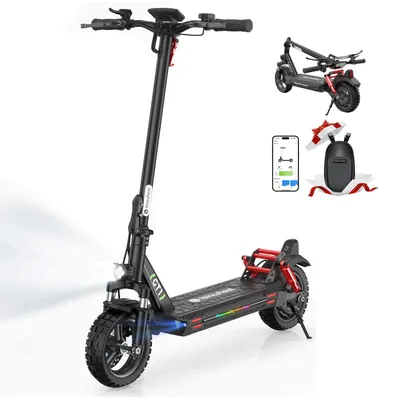
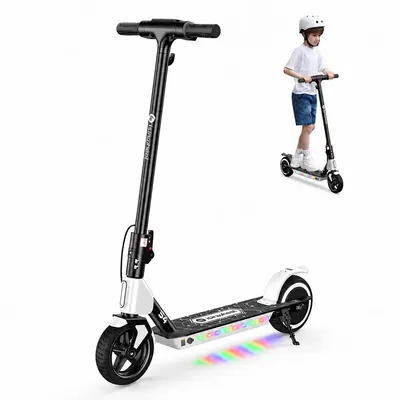
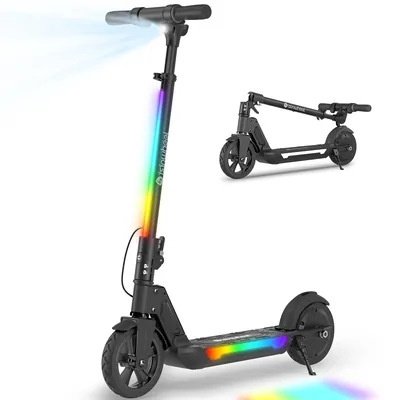
iSinwheel is a new partner on these pages. Today's shortlist uses official Awin feed photos and prices that we also found on isinwheel.co.uk. Its current UK range is e-scooters and e-bikes, not hoverboards. A privately owned e-scooter is for private land only, with the landowner's permission. iSinwheel prices were checked on isinwheel.co.uk on , and only kept when they matched the official Awin feed. The price on iSinwheel's own site is the one you pay. #Ad. Links marked Ad are affiliate links: SimSift may earn commission if you buy, at no extra cost to you. It never changes what we recommend. How we make money. See every checked iSinwheel option on the e-scooters page. Official videos from iSinwheel's own YouTube channel, which is listed on its Awin programme profile. A privately owned e-scooter is still only legal on private land with the landowner's permission, even if a video shows it being ridden outdoors.iSinwheel e-scooters
Official iSinwheel videos
Photographs on the iHoverboard cards are official product images from iHoverboard's Awin feed, converted to WebP and resized for these cards. Videos are official uploads from the iHoverboard YouTube channel (listed on the Awin programme profile), embedded on demand via YouTube's privacy-enhanced player. Awin does not offer a publisher API that lists banner creatives, so no programme banners are shown; they live in the Awin UI under My Creative.
#Ad. Links marked Ad are affiliate links: SimSift may earn commission if you buy, at no extra cost to you. It never changes what we recommend. How we make money.
Questions
Are private e-scooters legal in the UK?
Not in public. GOV.UK says it is illegal to ride a privately owned e-scooter on pavements, roads or in parks. You may only ride one on private land with the landowner's permission. Official rental e-scooters in trial areas have different rules. Source: GOV.UK electric scooter rules, checked 16 November 2026.
Can I ride a hoverboard on the pavement or road?
No. Hoverboards are listed as powered transporters on GOV.UK. They are not for public roads, pavements or cycle lanes. You may use one on private land with the landowner's permission. Source: GOV.UK powered transporters, updated 13 July 2020, checked 16 November 2026.
What is the difference between a private e-scooter and a rental trial scooter?
Rental e-scooters in official trials may be used on roads (except motorways) and in cycle lanes in a trial area, but not on the pavement. You need a provisional or full UK licence with category Q, and the operator provides third-party insurance. Those trial rules do not apply to a scooter you buy yourself. Source: DfT rental e-scooter guidance, last updated 7 July 2026.
What safety marks should I look for?
OPSS says to look for the UKCA or CE mark, buy from trusted sellers, and use a compatible charger. The London Fire Brigade also warns that markings can be counterfeit, and that unusually low prices or missing manufacturer details are warning signs. Sources: OPSS Buy Safe, Be Safe (updated 11 November 2026) and LFB buying guidance (checked 16 November 2026).
How should I charge a hoverboard, e-scooter or e-bike?
Use the manufacturer's charger, charge on a hard flat surface away from exits, do not cover the battery or charger, and only charge while you are awake and present. Unplug once it is charged. Let the battery cool after use. Sources: OPSS and London Fire Brigade charging guidance, checked 16 November 2026.
How old do you have to be?
For an official rental e-scooter you need a provisional or full UK licence with category Q. For an EAPC e-bike, GOV.UK says you must be 14 or over. For hoverboards and private e-scooters there is no separate statutory minimum age on the GOV.UK pages we checked; they remain private-land only, and you should follow the manufacturer's guidance.